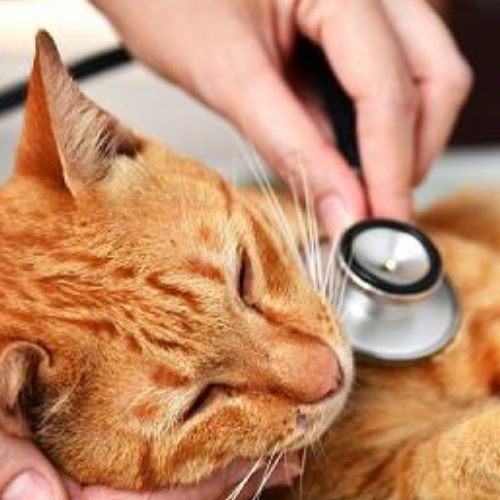
Importance of Routine Vet Visits for Cats
Cats are masters of hiding illnesses and so, by the time they show obvious symptoms, a disease process may already be in an advanced stage. By ensuring routine veterinary visits for our feline friends, we can ensure that these diseases are detected whilst still in the early stages, making treatment easier and allowing us to implement changes to help prevent further deterioration in these conditions, or even prevent them from occurring in the first place. Remember, prevention is a better option than treatment.
Here are a few key points to keep in mind:
1) Cats age quicker than humans: By the time a cat is 1 year old it is the equivalent of 15 years in human terms and equivalent to 24 human years when it is 2 years old. After this, a cat will age approximately 4 “cat years” for every calendar year.
2) To date, roughly 61% of pet cats evaluated by veterinary professionals are classified as either overweight or obese. This puts them at risk of several diseases such as diabetes, heart, respiratory, arthritis and kidney disease.
3) 50-90% of cats will suffer from some form of dental disease by the time they are 4 years old: By having routine physical examinations, dental prophylaxis treatments can be performed that can help prevent dental disease worsening and causing other serious problems.
4) Many diseases can be detected on routine blood work before clinical signs are noted. Diseases such as kidney disease and liver disease can be more effectively treated, and in some cases reversed, when early treatment is possible.
I’m convinced, so when should I take my cat to the vet?
All cats should have at least one visit per year after their initial kitten visits, and then 1 visit every 6 months when they get older usually over 8 years old. Occasionally your vet may suggest more frequent visits depending on any existing clinical conditions detected. Outside of these routine visits you should watch for any behavior change, such as hiding or sleeping more, a change in toileting behavior or frequency, changes in eating or drinking habits or any difficulty in jumping or moving around. Some of these signs can be very subtle so small changes can mean a lot.
My cat really hates to go to the vet, what should I do?
58% of cat owners report that their cat hates to go to the vet. Why is that? It is very simple. Cats like to be in control and hate change. Here at Cherrydale Veterinary Clinic, we are committed to ensuring the best possible experience for your feline family members. From exam rooms designed primarily for cat use to the use of calming pheromones, we are dedicated to keeping our cat friends and comfortable as possible during what can be a time of great stress for them. We are also members of the International Society of Feline Medicine.
We appreciate you taking the time to read this communication and hope you have found it to be informative. If you have any questions or concerns, as always our Doctors are here for you. We look forward to seeing more of our feline friends here at the clinic for their routine visits.